Service 06
Data Warehousing & Business Intelligence
When the sales director, the CFO, and the ERP disagree about last month's revenue, the meeting stops being about revenue. We build the warehouse and the pipelines that make one set of numbers everyone can cite - and dashboards that answer questions instead of decorating them.
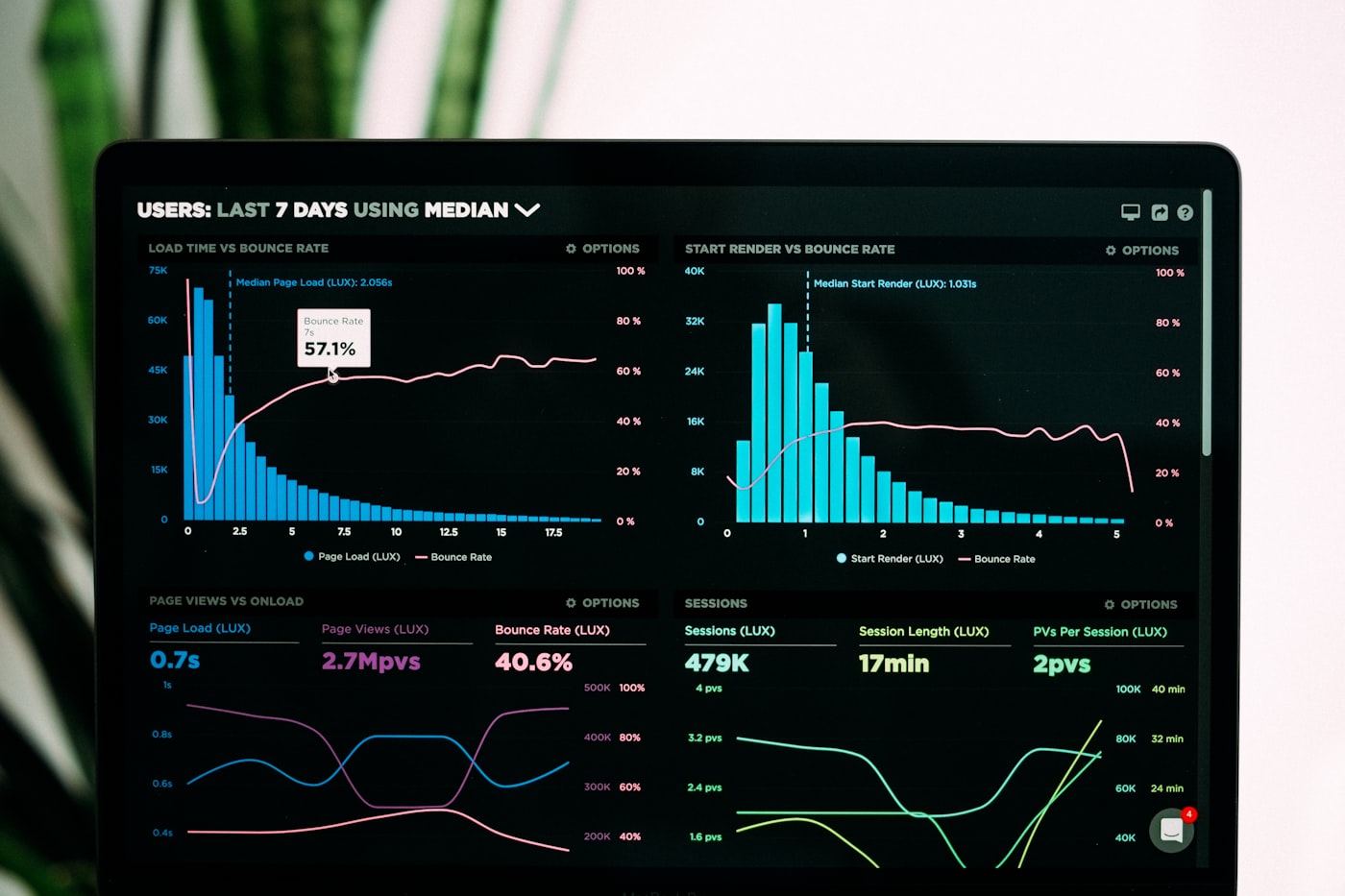
Where the data actually lives
Warehouse design & build
A dimensional model built from your business questions backward - not a mirror of the ERP's table structure. Sized honestly: most mid-size companies need a well-modeled warehouse measured in gigabytes, not a data lake measured in buzzwords.
Pipelines & data quality
Scheduled, monitored ETL from ERP, POS, e-commerce, and the spreadsheets that refuse to die. Every load reconciles record counts and control totals against the source, and failures alert us before your Monday meeting discovers them.
Reporting & dashboards
Role-shaped dashboards: the CFO's view opens with margin bridge and cash, the ops manager's with fill rate and aging. Every metric carries a definition - click it and see exactly how 'net revenue' is computed, which kills the definitional arguments for good.
Getting to trusted numbers
Start from ten questions
We ask your leadership for the ten questions they most need answered on Monday morning. The warehouse schema is designed to answer those first - everything else is roadmap.
Reconcile before we visualize
The first deliverable is unglamorous: warehouse totals matching source-system totals, signed off by finance. Dashboards built on unreconciled data are just confident-looking guesses.
Ship one dashboard people fight over
The first dashboard goes to the team with the sharpest daily need. When other departments start asking for their version, adoption is pulling the project instead of the project pushing adoption.
Why our BI work sticks
We know what the source fields mean
Because we implement the ERPs, we know that 'confirmed' in the order table doesn't mean shipped, and which stock quantity of the four Odoo offers is the one your CFO thinks they're looking at.
Definitions before dashboards
The metric dictionary - what counts as revenue, when an order counts as fulfilled - is agreed and signed before charts are drawn. Most BI failures are semantic, not technical.
Built to be handed over
Models, pipeline code, and definitions live in version control with documentation. Your analysts can extend the warehouse without us - and that's by design, not an oversight.
Adjacent work we often pair with this
NAIBA
AI business analyst - ask your data questions in plain language
Business Application Services
Implementation, consulting, and support for Odoo, SAP Business One, and Retail Pro - from first scoping call to steady-state operations.
System Integrations
APIs and middleware that keep your ERP, CRM, POS, and third-party tools reading from the same record.
Before you email us
Bring the number two departments disagree about.
That disagreement is the fastest way to see how we work: we'll trace it to the source fields, show you why the versions differ, and outline the warehouse design that would end the argument.